Mission Notes for
curious operators.
Short, practical explainers that connect orbital mechanics, satellite data, spacecraft anatomy, and launch systems to the interactive tools inside Jewawud.
 Prayer & Fasting
Why Prayer Times Move Every Day
Follow twilight, solar transit, shadow geometry, latitude, and calculation methods from the sky into a local timetable.
Sun + Prayer Times Attitude Determination
How Spacecraft Read the Stars
Follow starlight from image sensor to catalog match, lost-in-space recovery, and a precise three-axis attitude solution.
Star Tracker + ADCS Spacecraft Systems
Pointing Without Propellant
How reaction wheels steer spacecraft, why gyroscopes are different, and how momentum dumping restores wheel-speed margin.
Attitude + Momentum Satellite Catalogs
Every Satellite Has an Identity
How names, NORAD catalog numbers, and COSPAR designators identify payloads, rocket bodies, and debris without ambiguity.
NORAD + COSPAR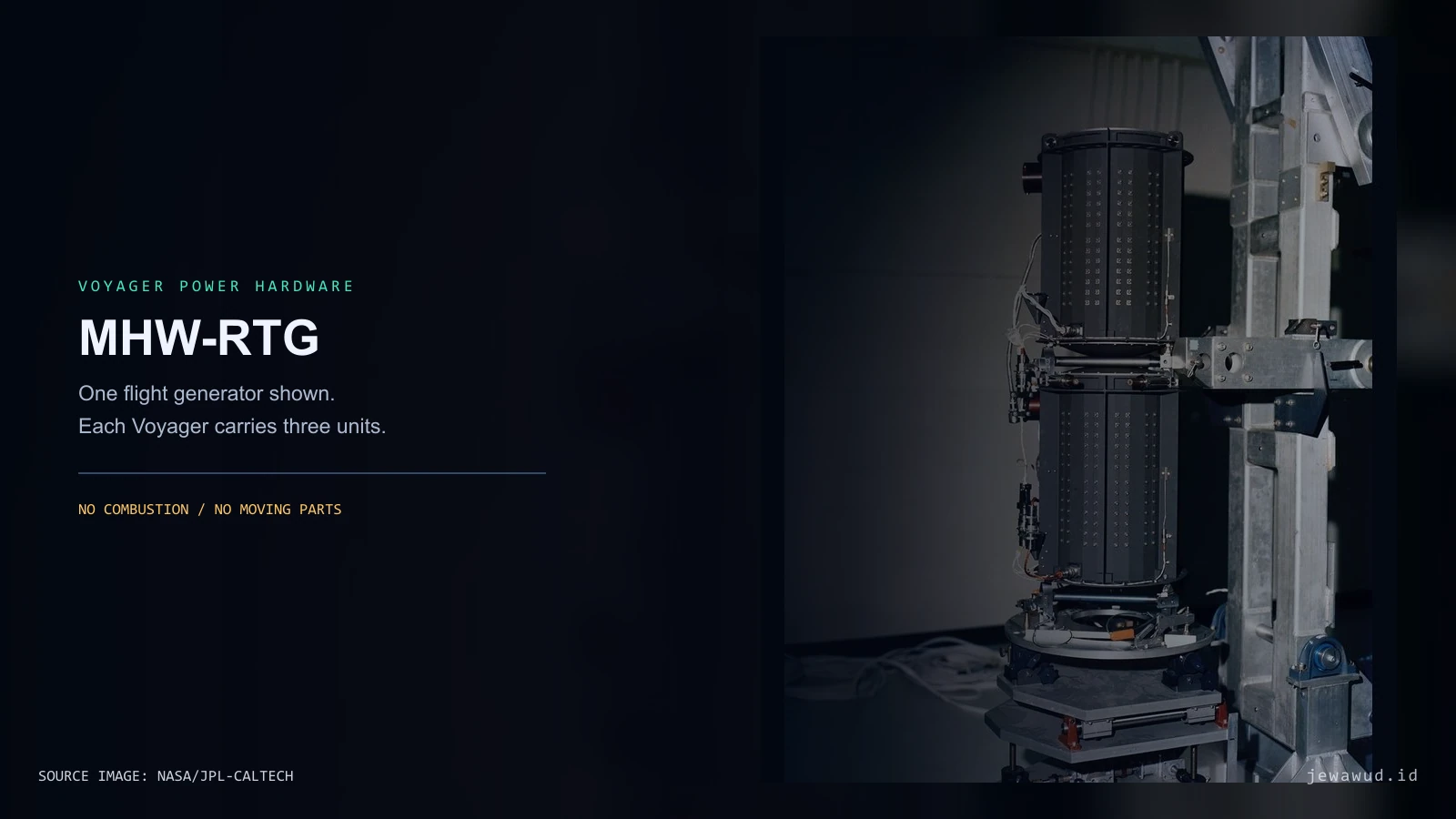 Spacecraft Power
Heat Into Watts
How plutonium-238 decay, thermocouples, and careful load management keep Voyager operating in darkness.
Voyager + RTG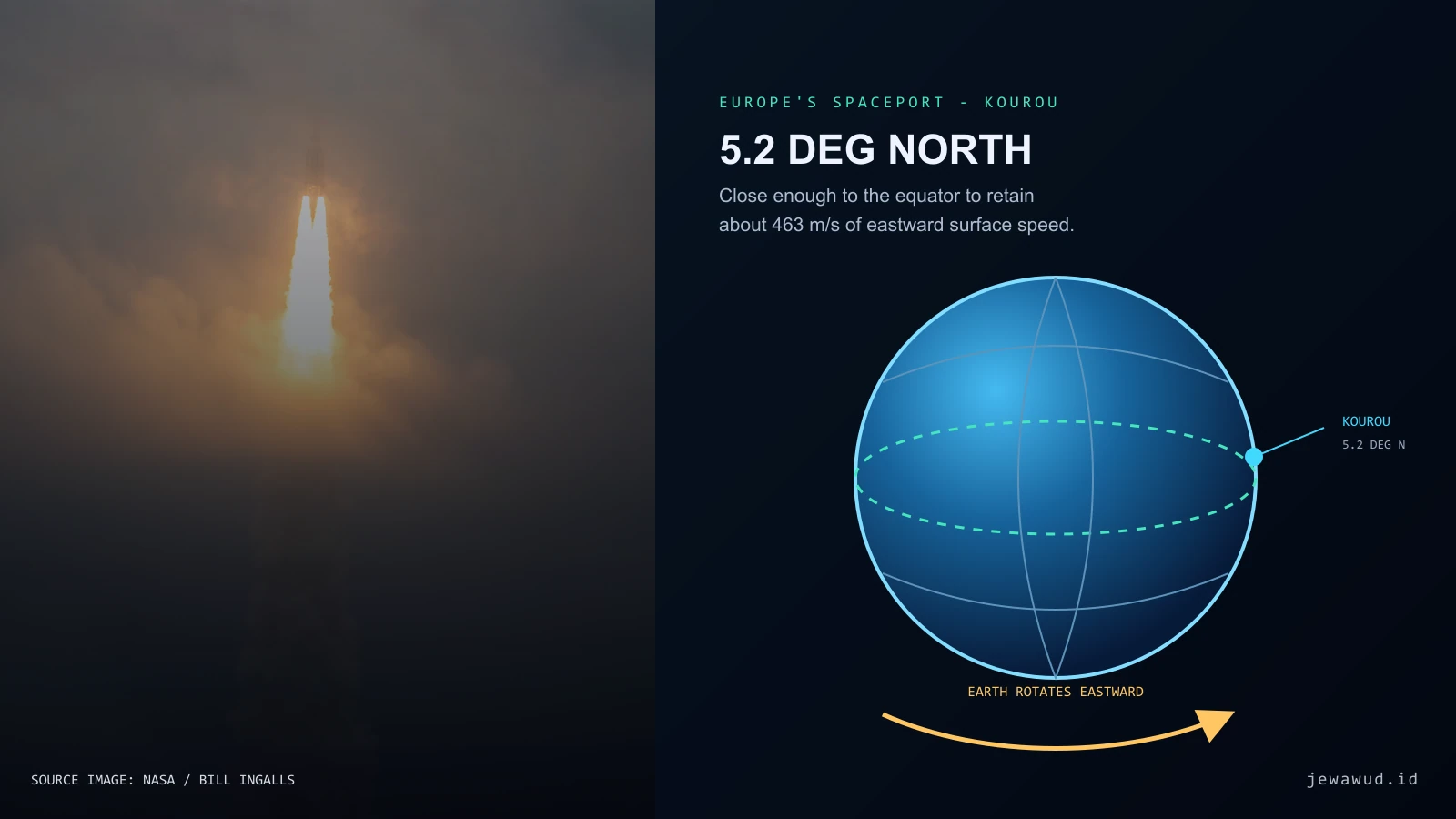 Launch Dynamics
Borrowing Speed From Earth
Why latitude changes rotational boost and inclination, and why target orbit and safety still choose the best site.
Rotation + Inclination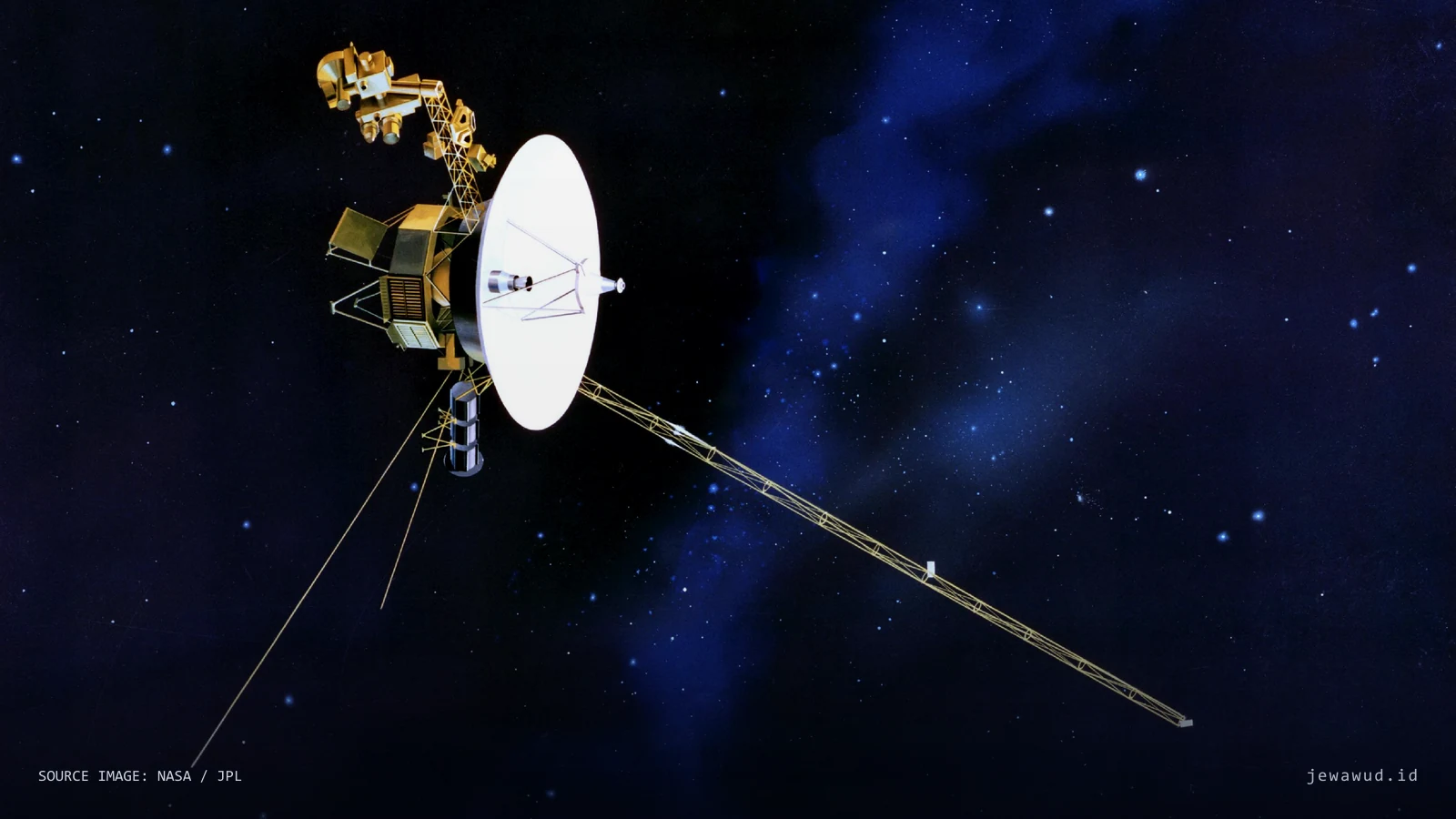 Deep-Space Navigation
Finding Voyager Without GPS
How range, Doppler, Delta-DOR, gravity models, and estimation reveal a trajectory across deep space.
Voyager + DSN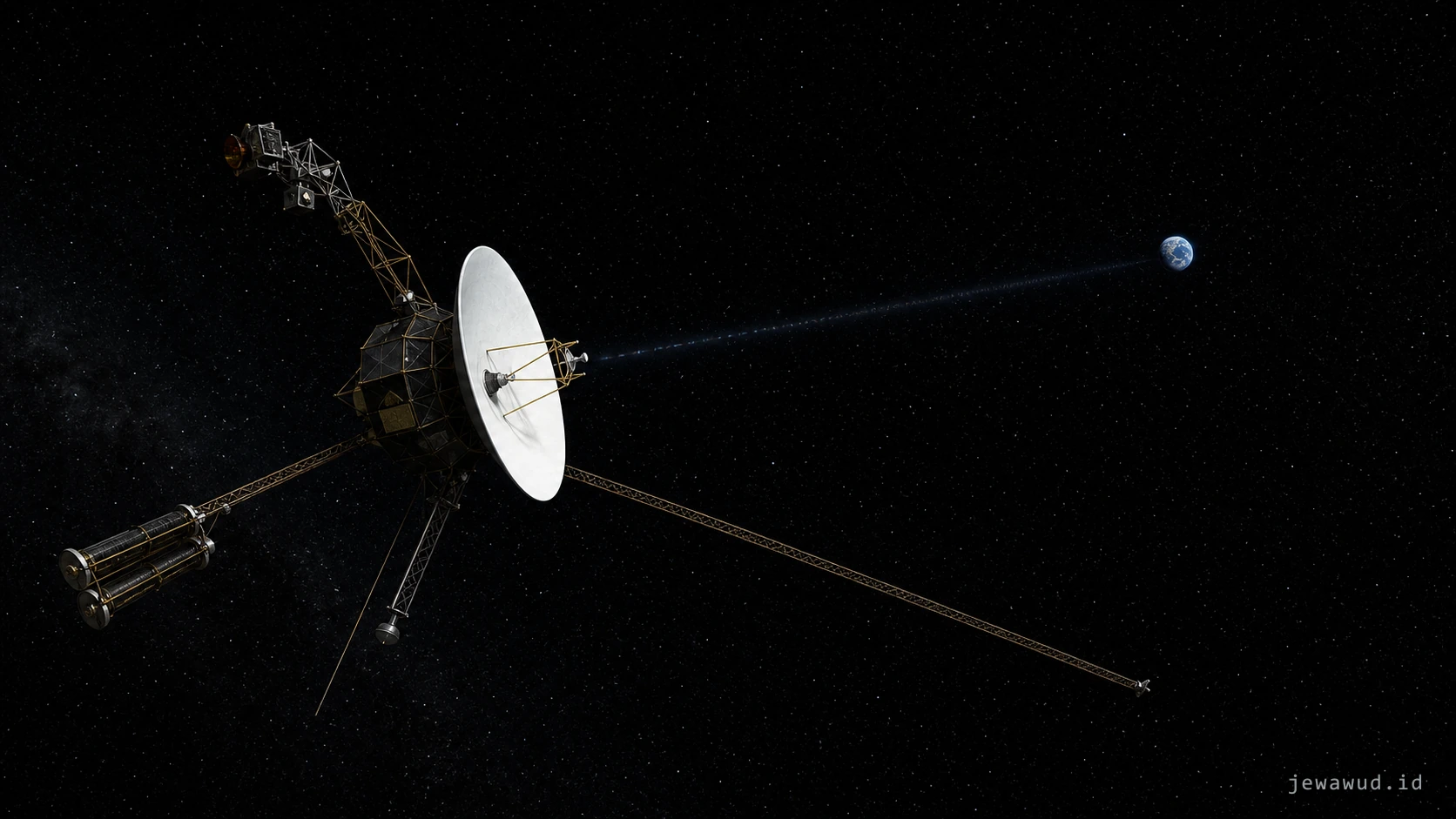 Deep Space Communications
A Whisper Across Interstellar Space
How S-band commands, X-band telemetry, a 3.7-meter spacecraft dish, and NASA's Deep Space Network keep Voyager connected.
Voyager + DSN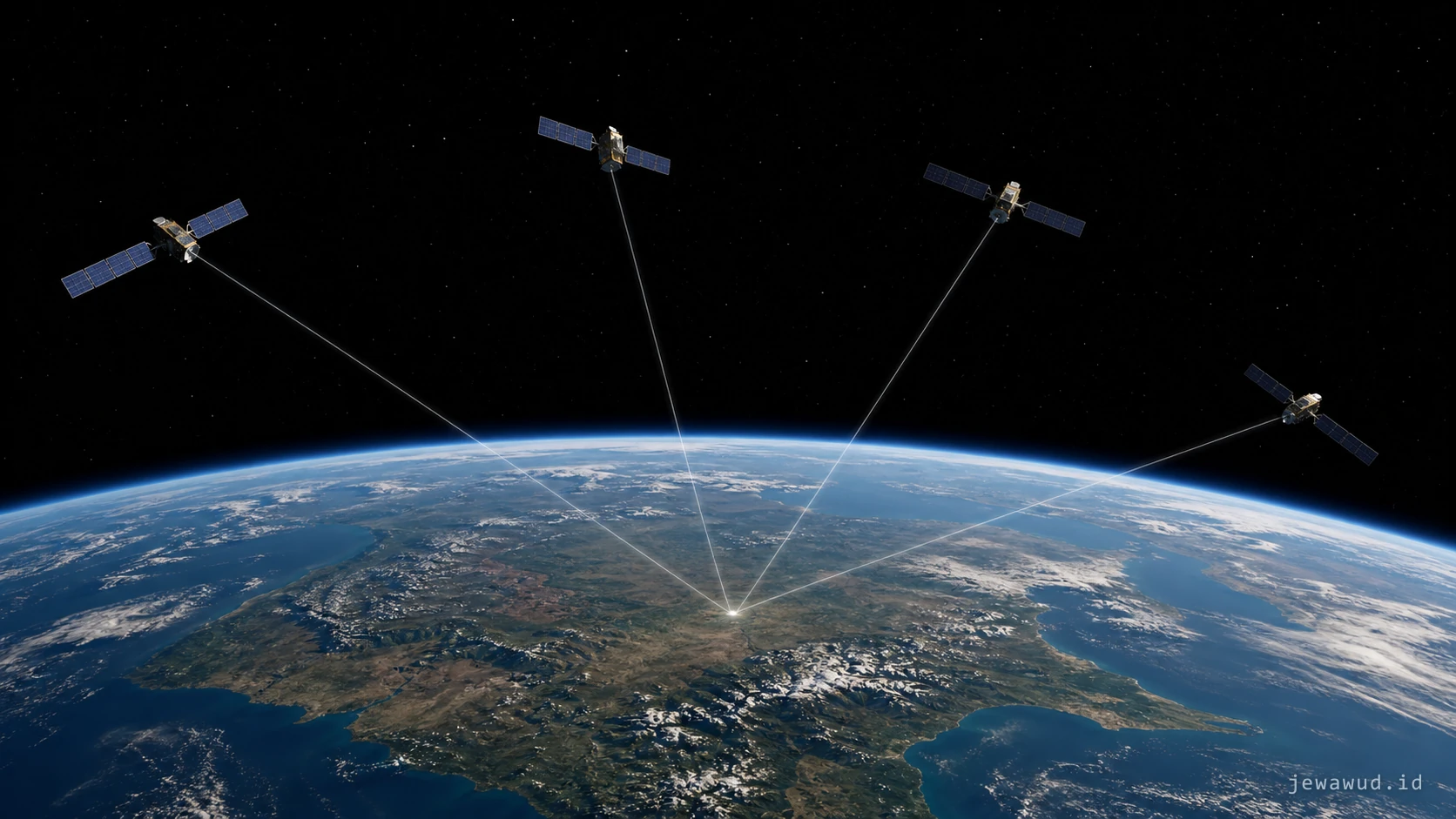 Satellite Navigation
Four Satellites, One Position
How GPS and other GNSS constellations turn atomic-clock broadcasts into position, time, and the blue dot on your map.
GPS + Galileo + GNSS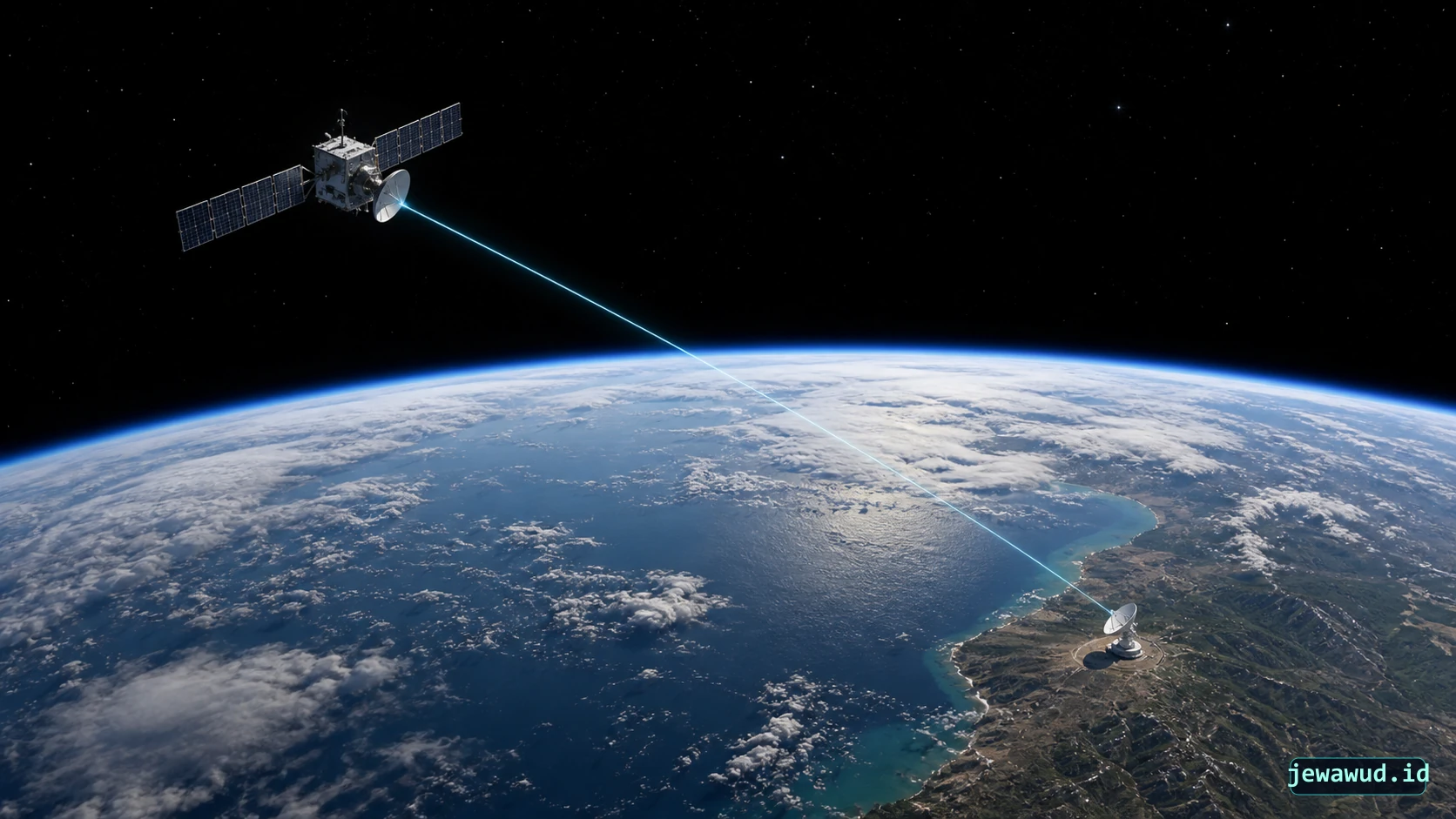 Space Systems
From Orbit to Antenna
How uplinks, downlinks, ground stations, link budgets, antennas, Doppler shift, and orbit geometry keep spacecraft connected.
Satellite Communications Rocket Flight
The Karman Line Explained
Why 100 km marks the conventional edge of space, why 50 miles is also used, and why crossing it does not mean orbit.
Atmosphere + Simulator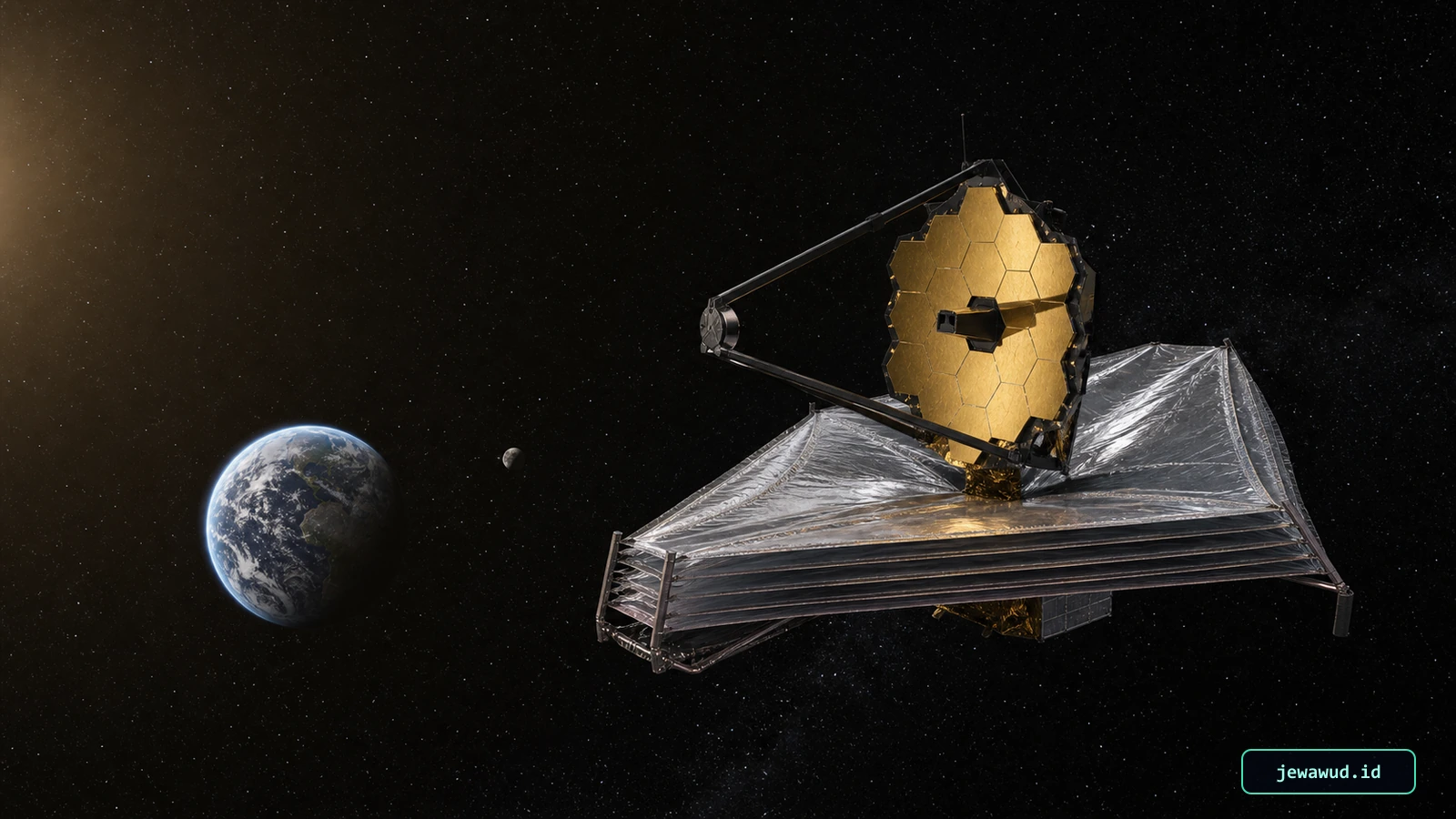 Orbital Mechanics
Lagrange Points Explained
How rotating gravity creates L1-L5, why their stability differs, and how Webb, DSCOVR, and Lucy use these regions.
L1-L5 + Mission Design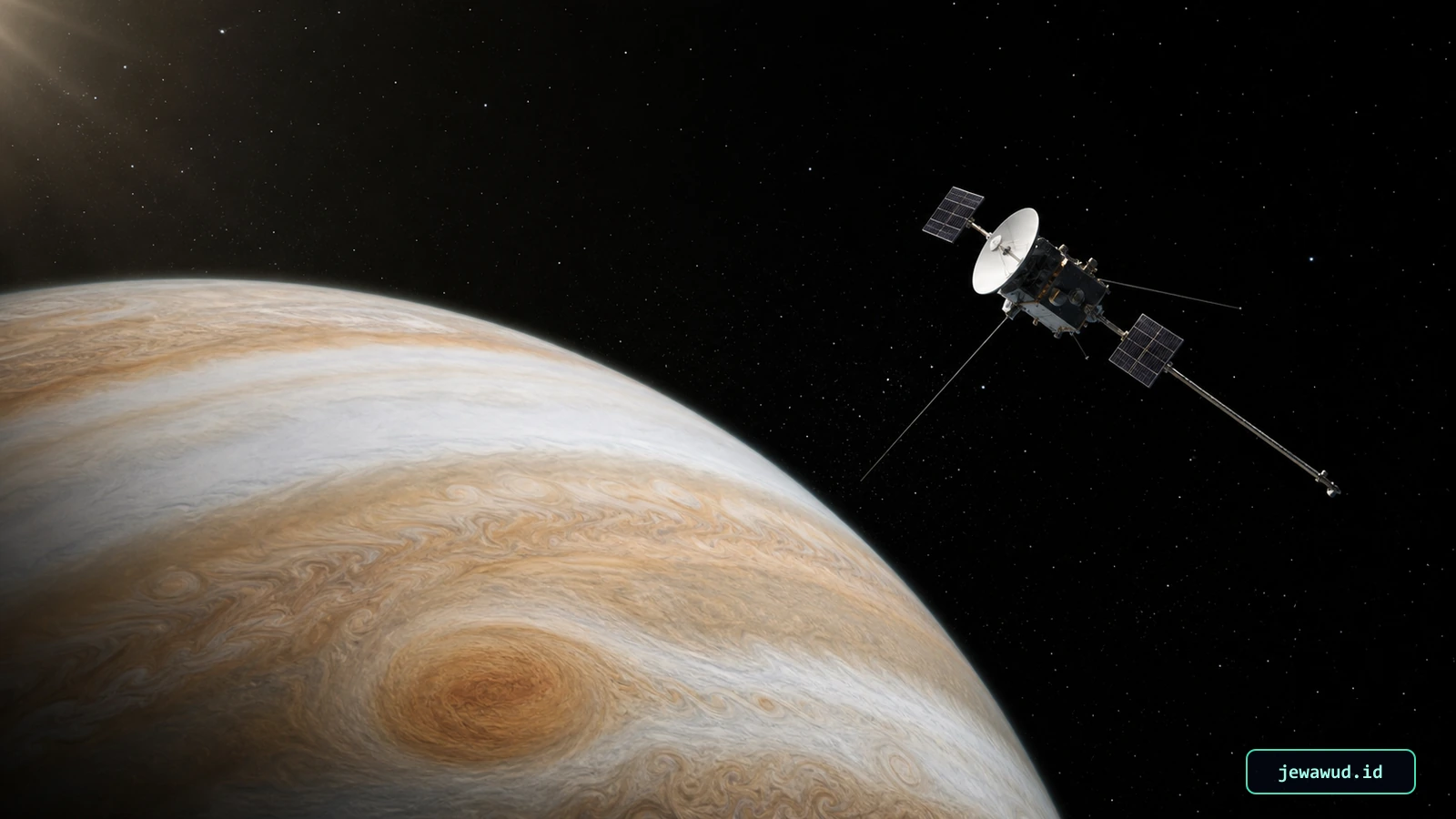 Mission Design
Gravity Assist Explained
How a planetary flyby redirects velocity, changes heliocentric energy, and carries spacecraft farther with less propellant.
Voyager + Trajectories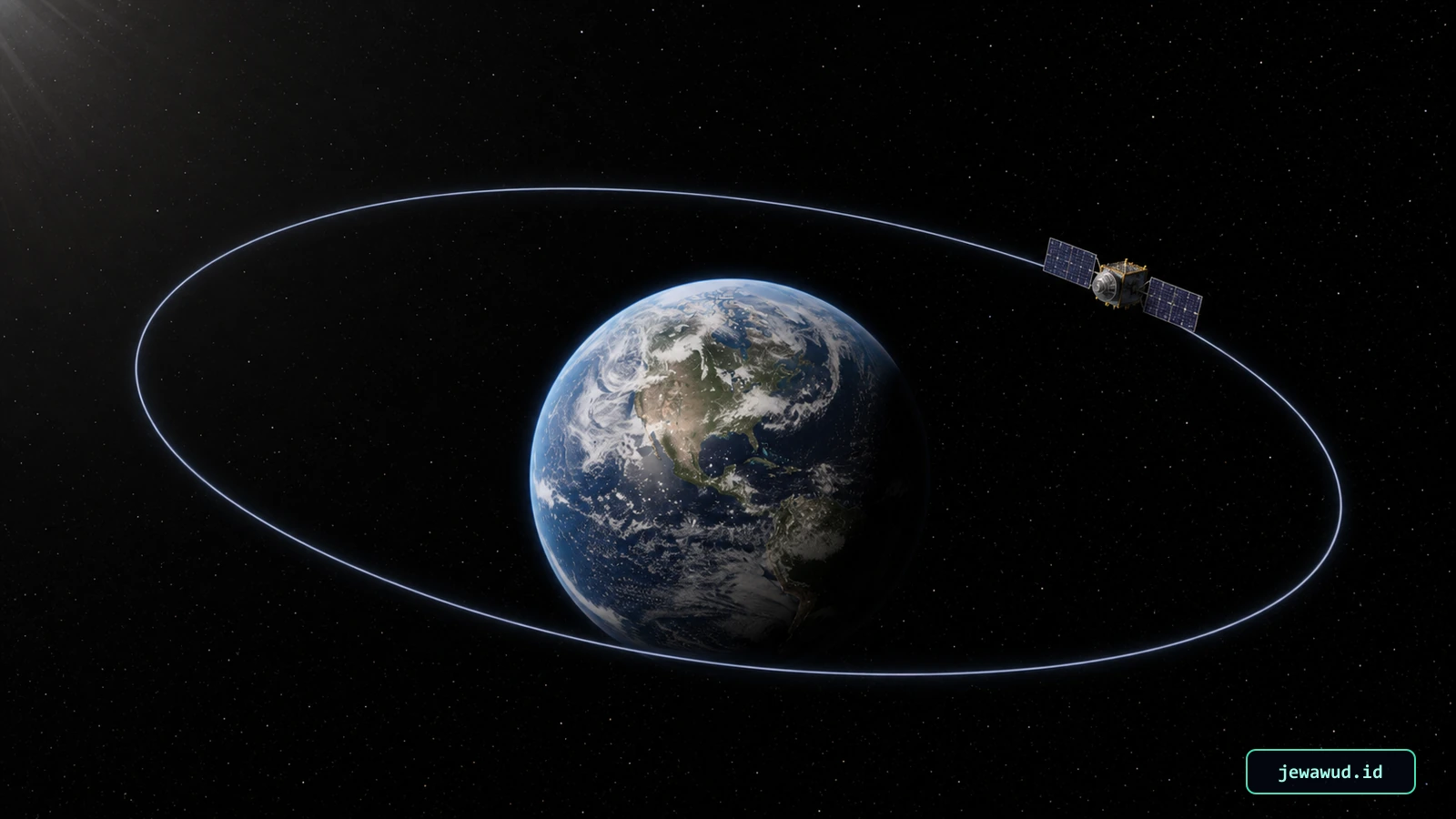 Orbital Mechanics
Orbital Period Explained
Why higher satellites take longer to orbit and how Kepler's third law connects period with semi-major axis.
Planner + JOT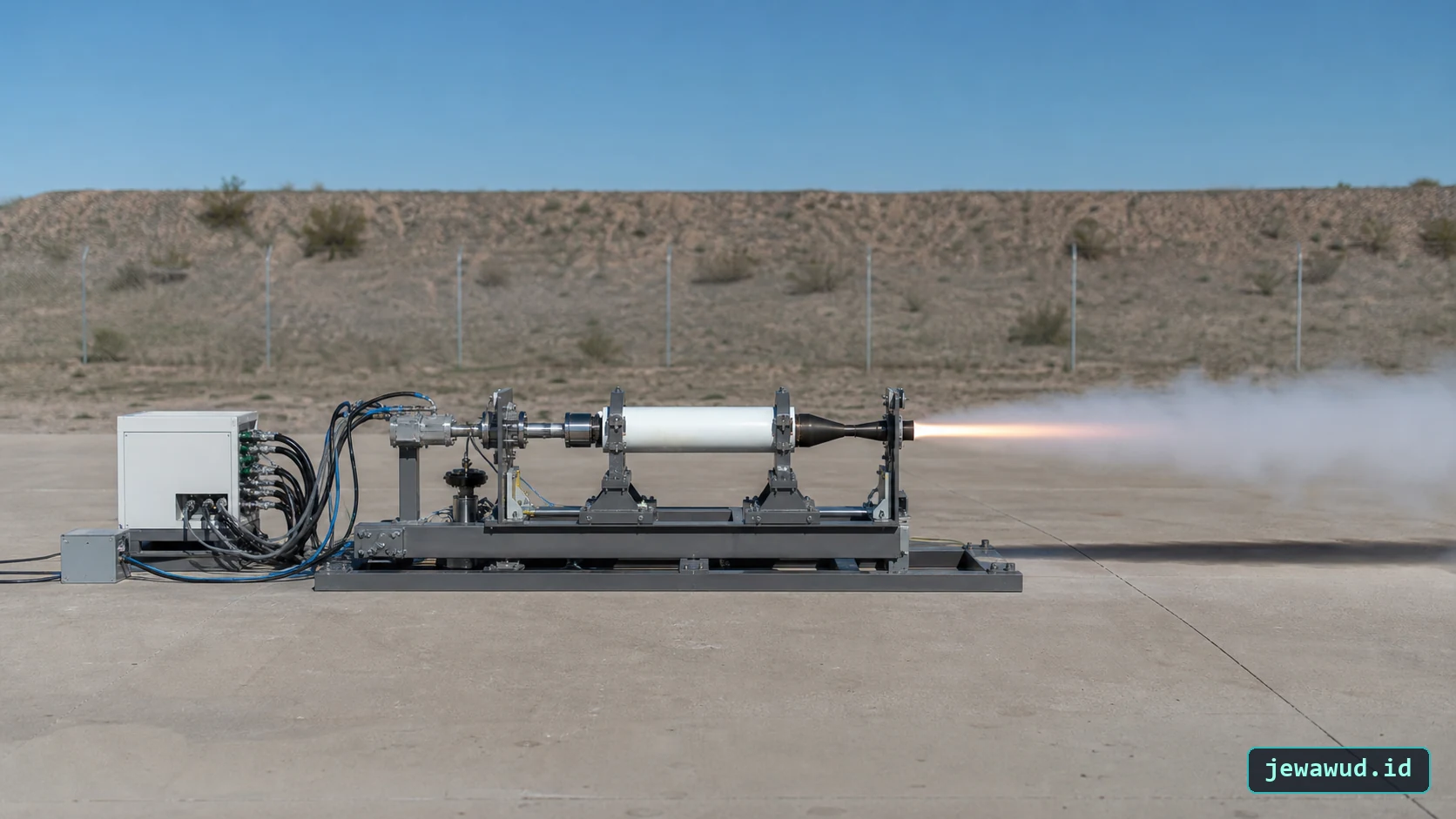 Rocket Performance
Rocket Thrust Curves Explained
How peak thrust, average thrust, burn time, total impulse, and curve shape describe a complete motor firing.
Motor Designer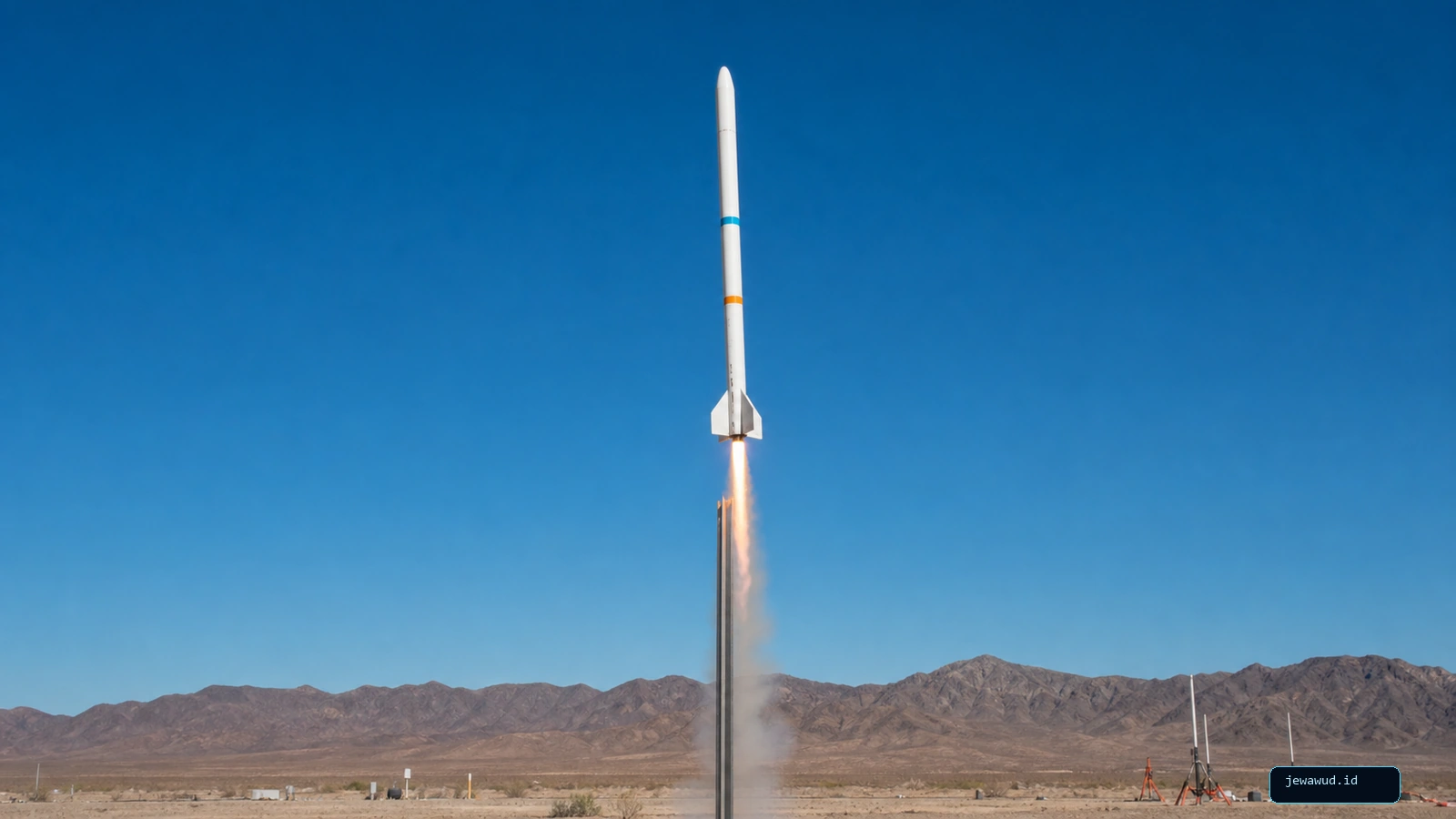 Rocket Flight
Rocket Stability Explained
How center of gravity, center of pressure, static margin, fins, and launch-guide departure determine attitude stability.
Aerodynamics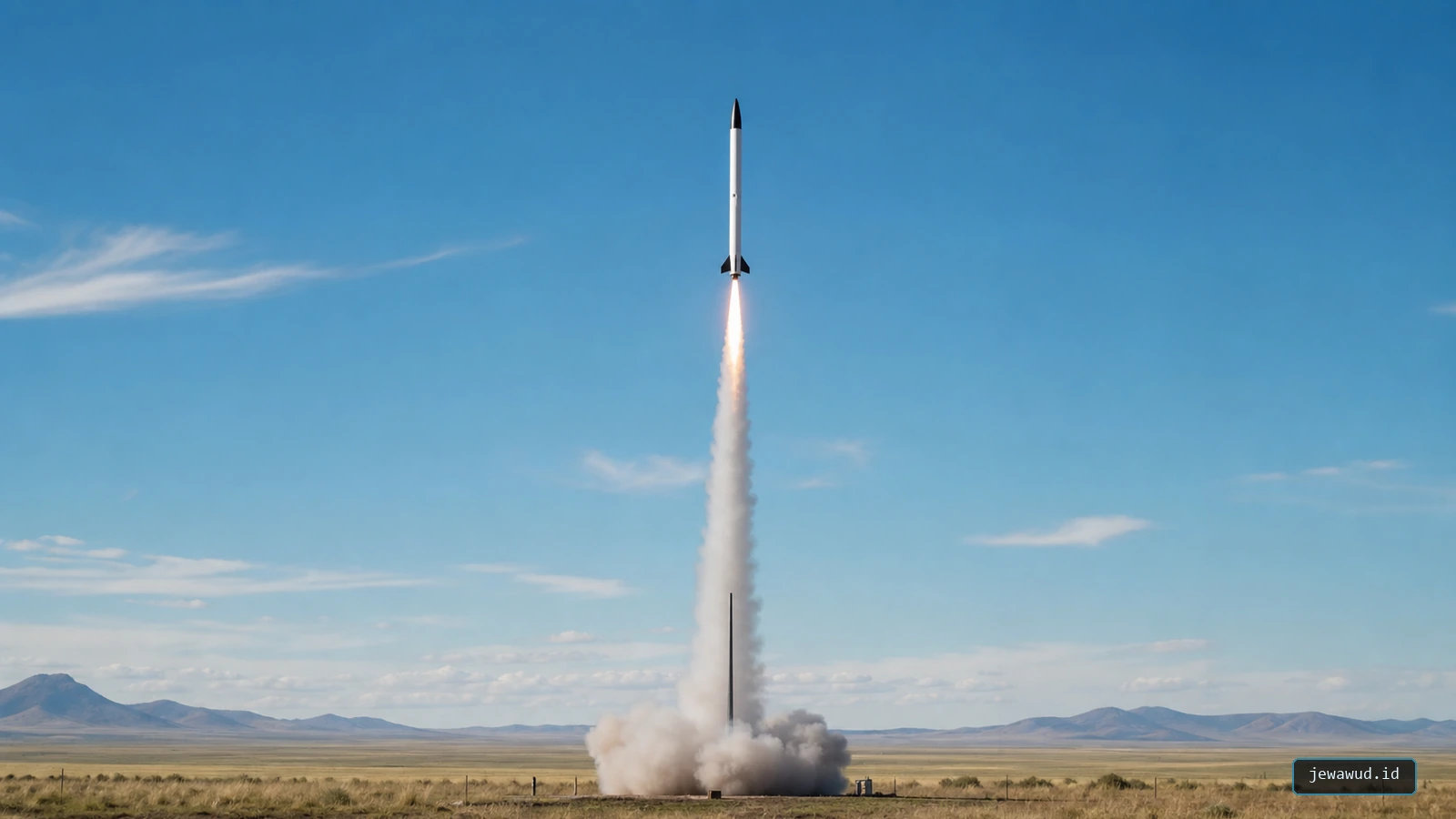 Rocket Dynamics
Thrust-to-Weight Ratio Explained
Why thrust must exceed weight at liftoff, how TWR controls initial acceleration, and why it changes throughout a burn.
Motor Designer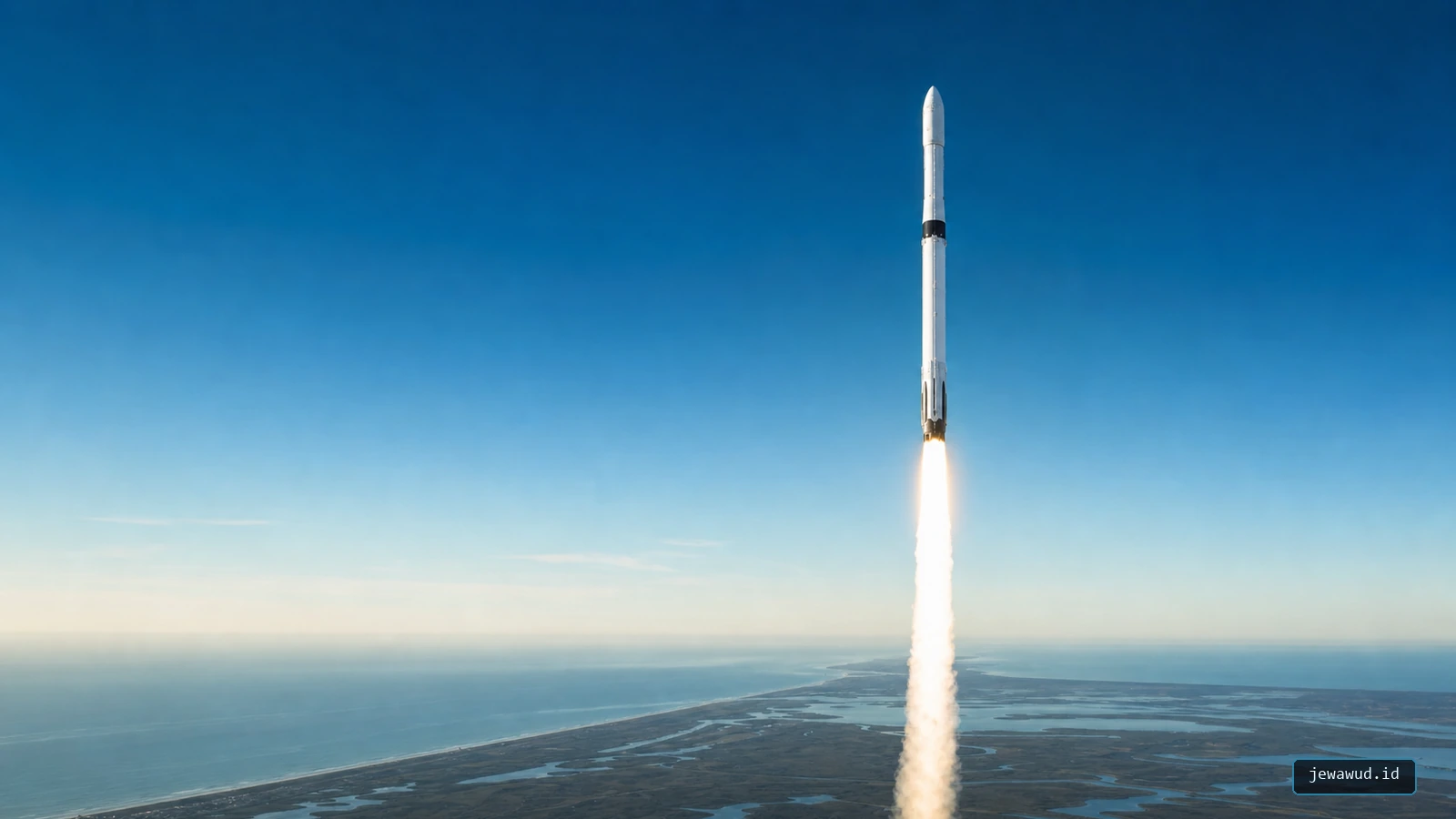 Launch Dynamics
Max Q Explained
Why dynamic pressure rises, peaks, and falls, how it drives aerodynamic loads, and why rockets may throttle down.
Rocket Simulator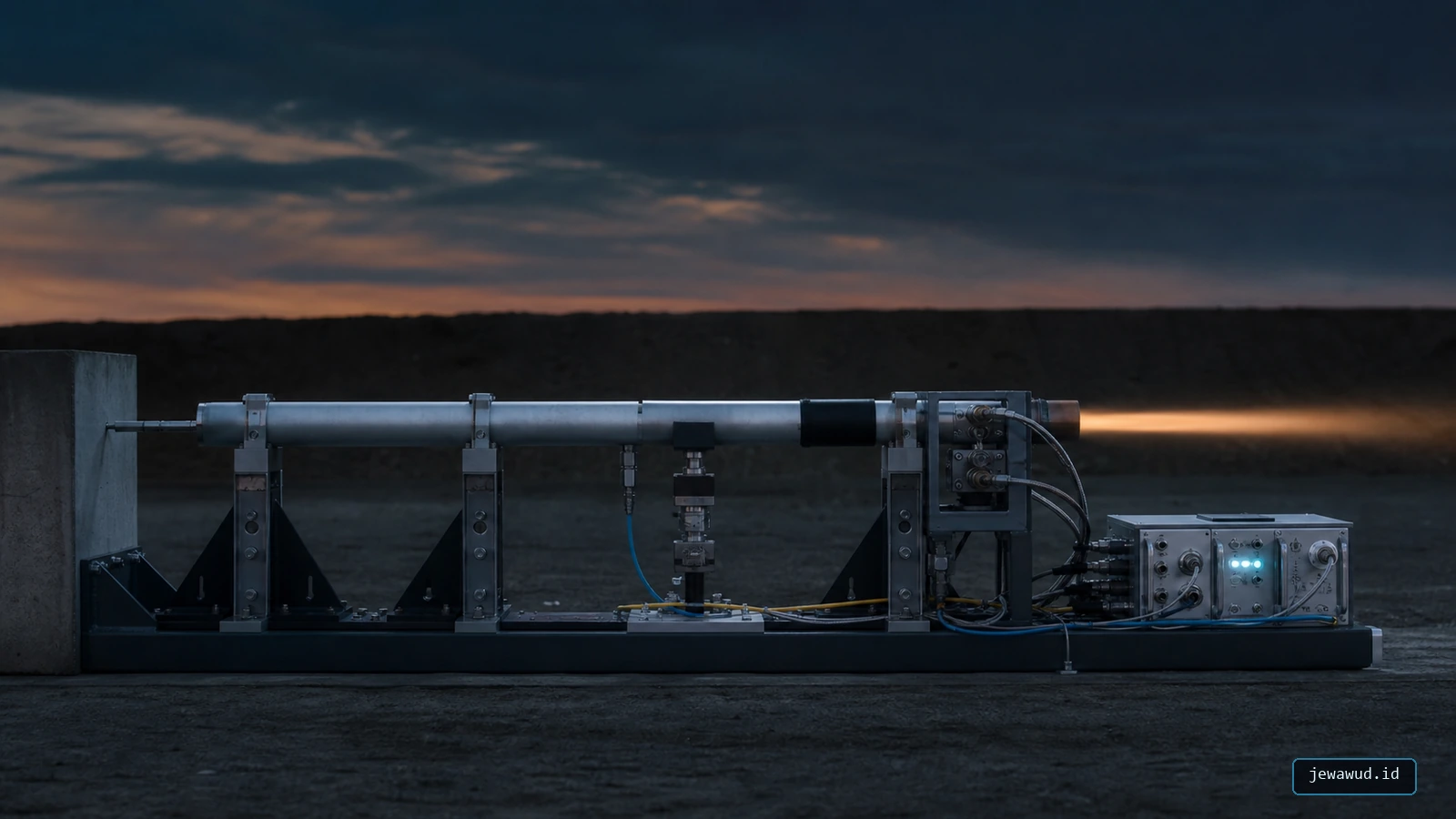 Rocket Performance
Specific Impulse Explained
What Isp measures, why its unit is seconds, and how it differs from thrust, total impulse, and effective exhaust velocity.
Motor Designer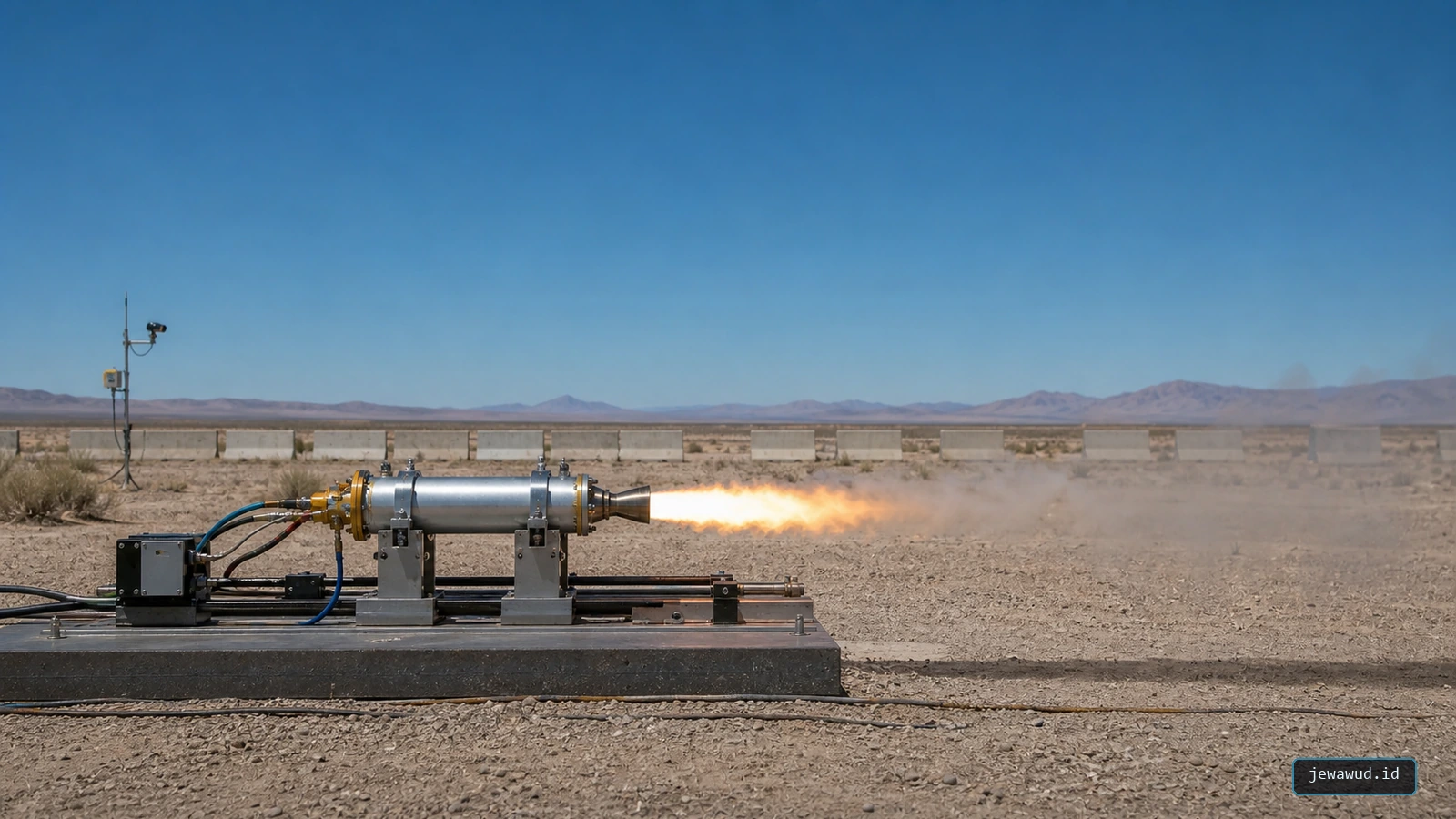 Rocket Propulsion
How Rocket Nozzles Work
How the throat, expansion ratio, exit pressure, and altitude turn chamber energy into directed exhaust velocity.
Motor Designer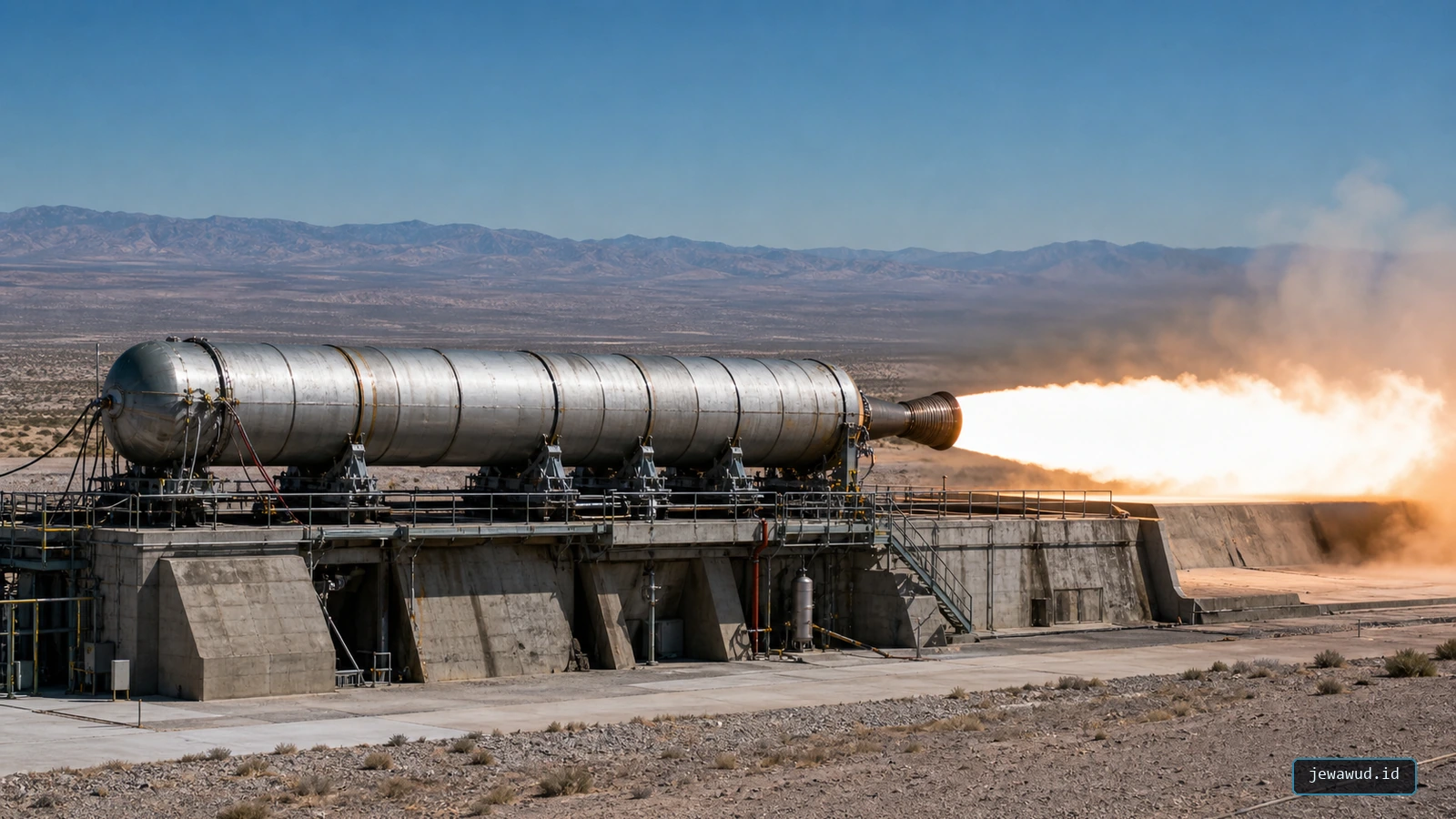 Rocket Propulsion
Solid Rocket Motor Design Explained
How grain geometry, Kn, chamber pressure, nozzle flow, and static-fire data shape a motor's thrust curve.
Motor Designer Launch Operations
Launch Windows Explained
Why orbital planes, moving targets, weather, and planetary geometry determine exactly when a rocket can launch.
Rockets Orbital Mechanics
Perigee and Apogee Explained
Why altitude and speed change as a satellite travels around an elliptical Earth orbit.
Planner Space Safety
How Satellite Collision Avoidance Works
How conjunction screening, covariance, collision probability, and carefully planned maneuvers protect spacecraft.
JOT Orbital Mechanics
Escape Velocity Explained
Why 11.2 km/s is an orbital-energy threshold, not a speed every rocket must reach at liftoff.
Planner Rocket Science
Delta-v Explained
The spaceflight budget behind launch, rocket staging, orbit changes, and mission planning.
Rockets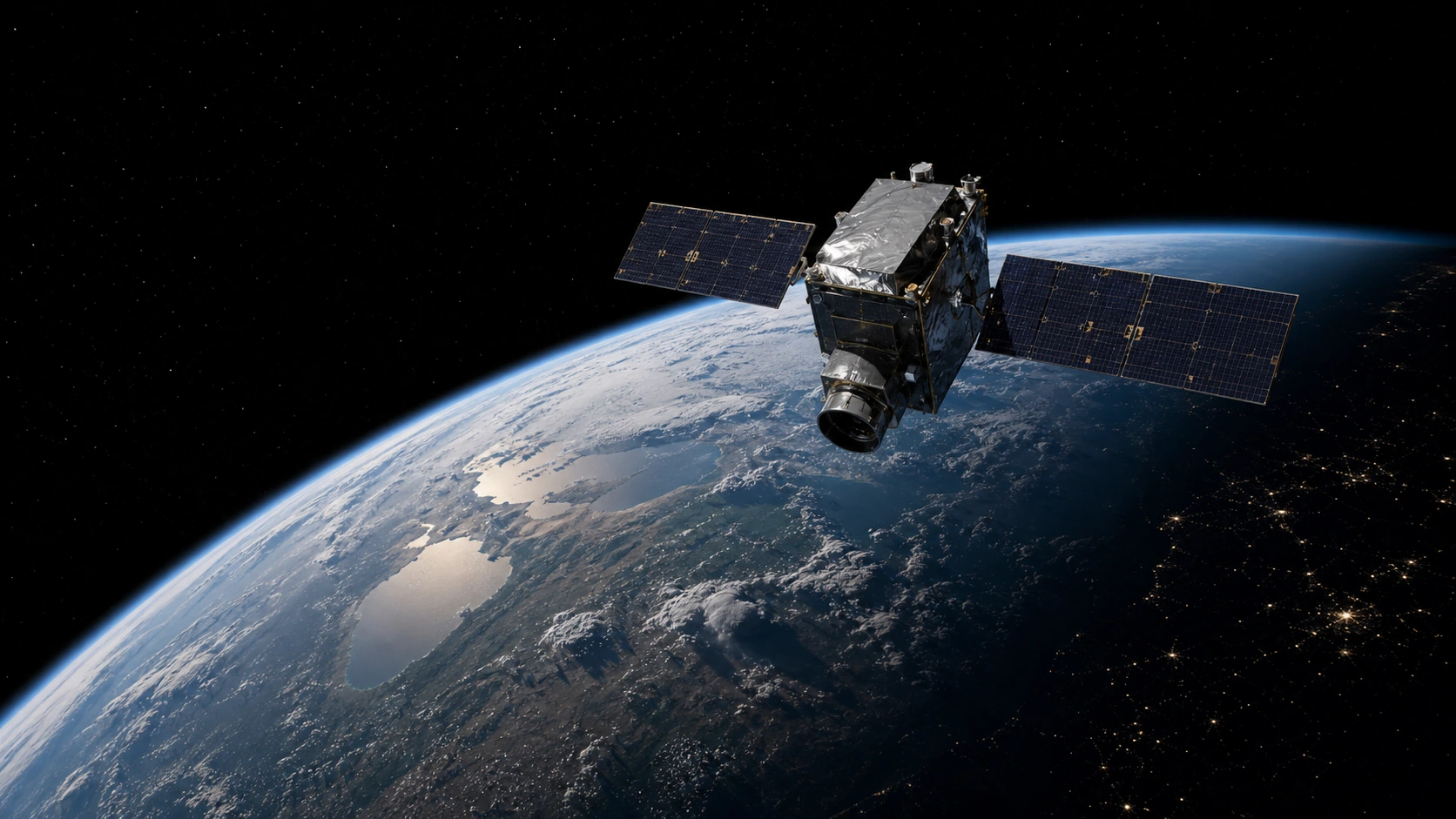 Earth Observation
Sun-Synchronous Orbit Explained
How a retrograde orbit uses Earth's J2 gravity effect to preserve nearly the same local solar time.
JOT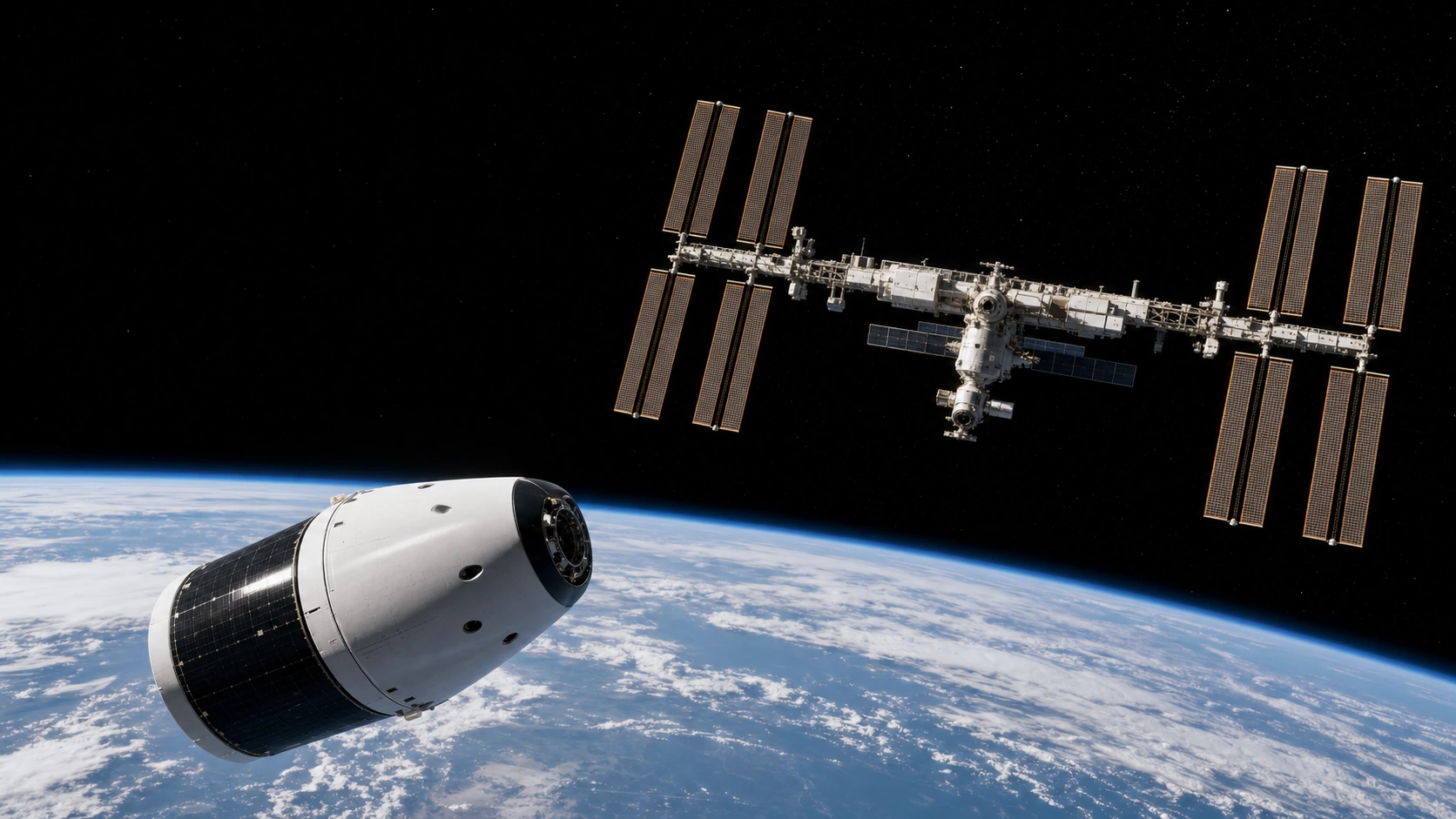 Orbital Operations
Orbital Rendezvous and Phasing
Why a chaser uses orbital period to gain phase, match the target state, and begin a safe close approach.
JITM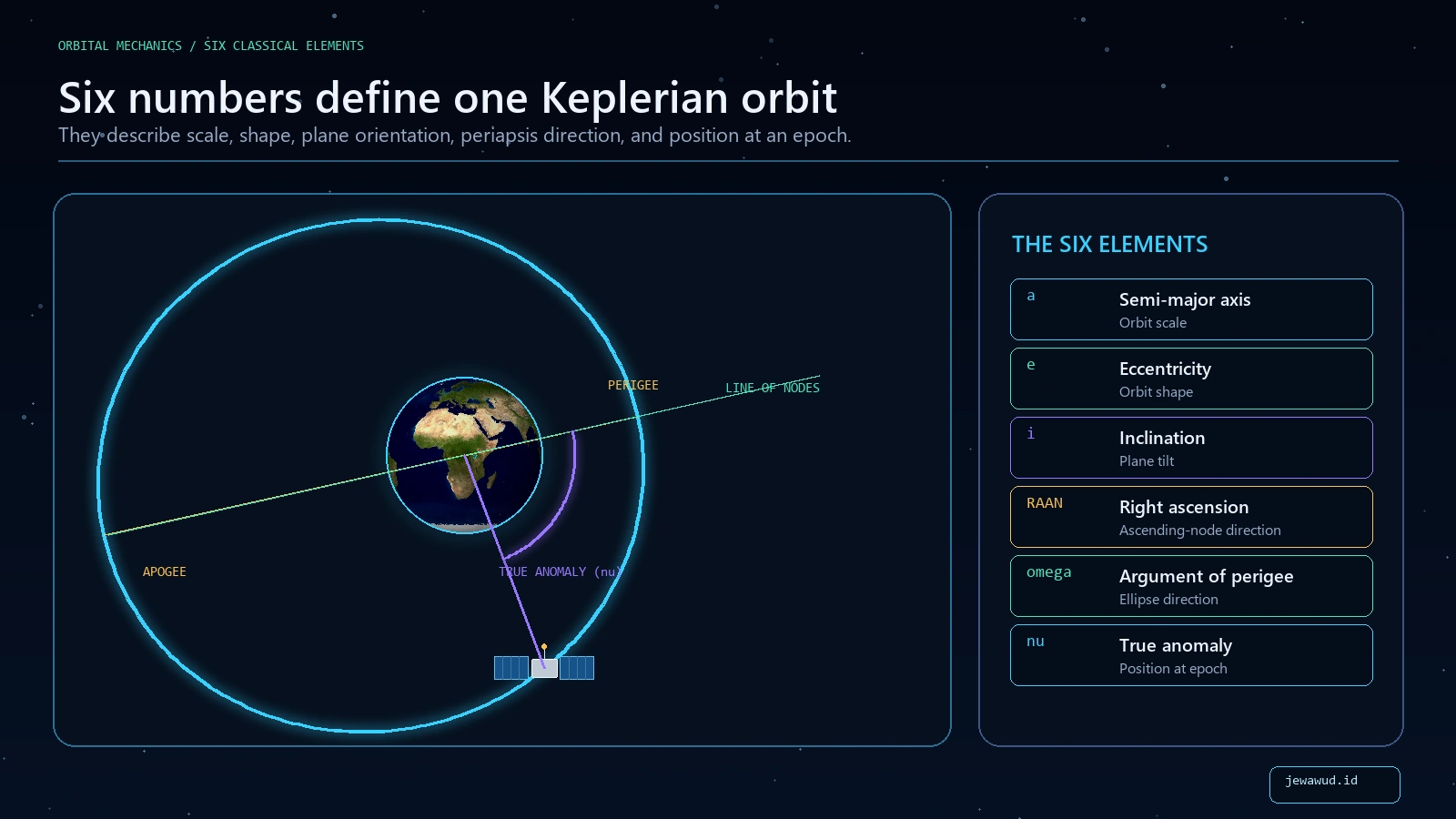 Orbital Mechanics
Six Orbital Elements Explained
How six values define an orbit's size, shape, orientation, and satellite position at an epoch.
JOT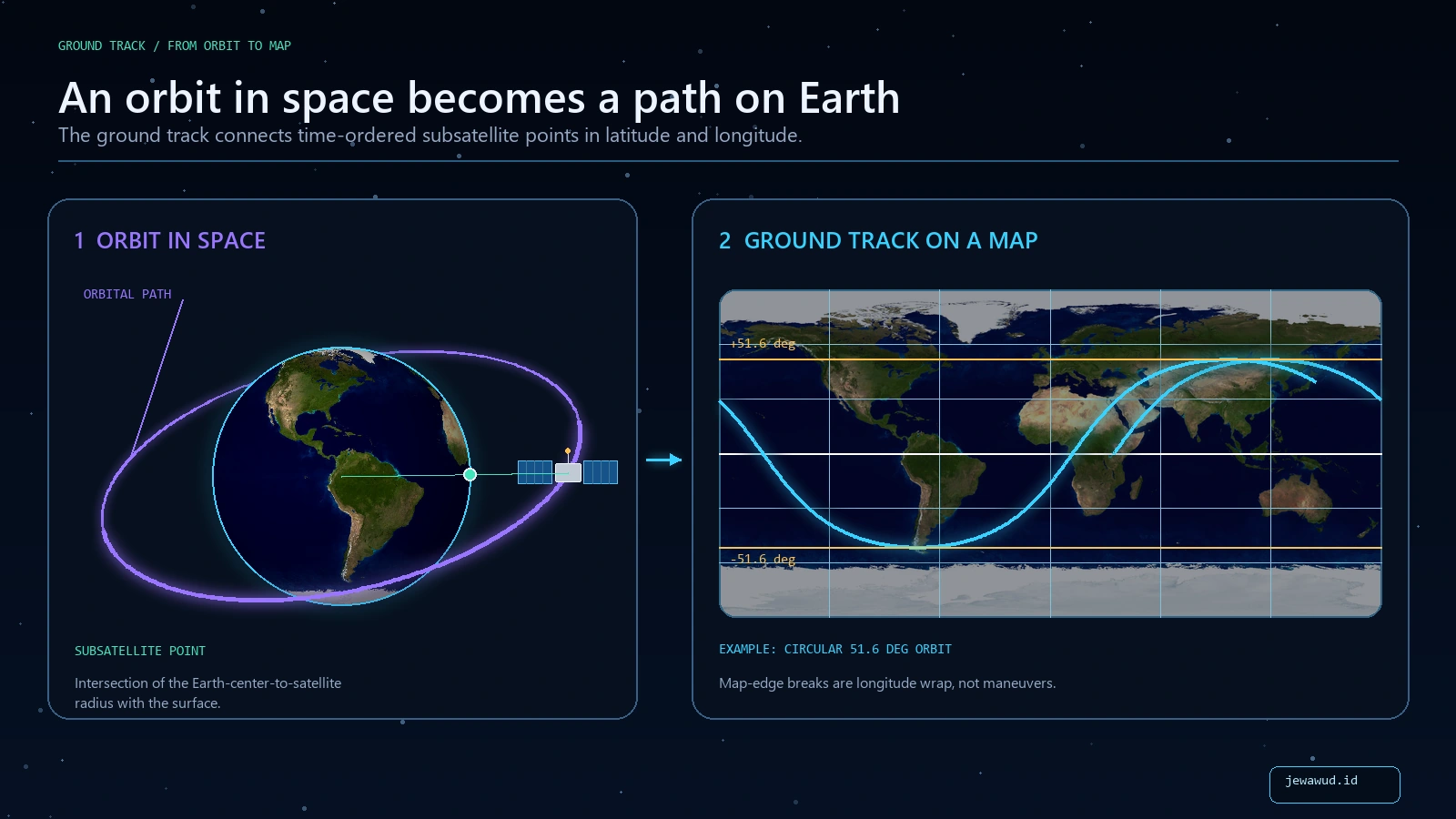 Orbital Tracking
Satellite Ground Tracks Explained
Why orbit lines become waves on a map, why each pass shifts, and how to read them correctly.
JOT Orbital Tracking
What Is TLE Data?
Decode a TLE epoch, calculate orbital period, and compare a catalog snapshot with JOT.
JOT Space Stations
How ISS Tracking Works
Separate map position from visible passes, calculate an example horizon, and try JITM.
JITM Orbital Mechanics
Understanding Orbital Inclination
Read retrograde latitude limits, compare orbital planes, and calculate the cost of changing direction.
Planner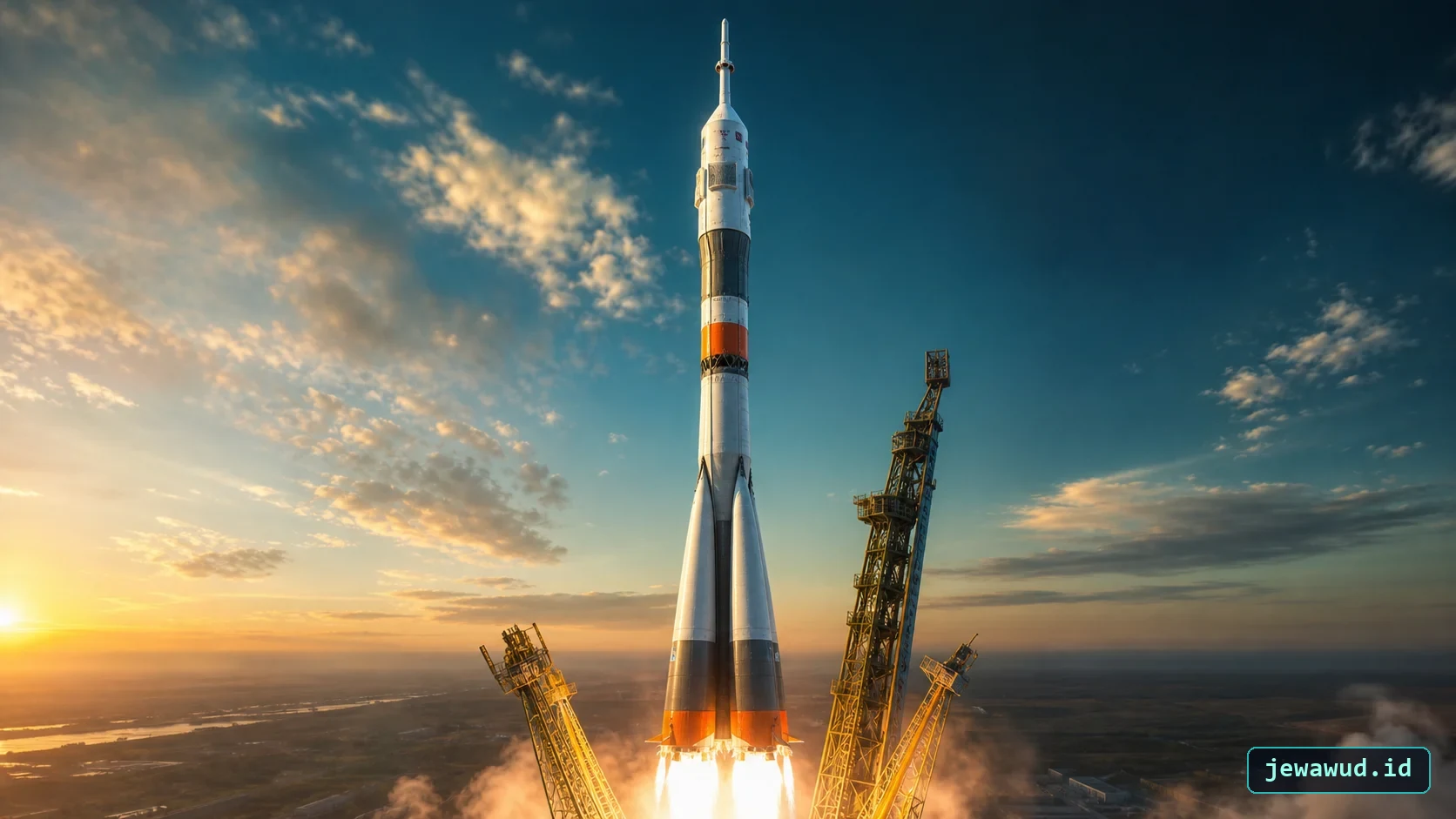 Launch Vehicle
Soyuz Launch Vehicle Explained
The major parts of the Soyuz launch stack and why its layout is so recognizable.
3D Explorer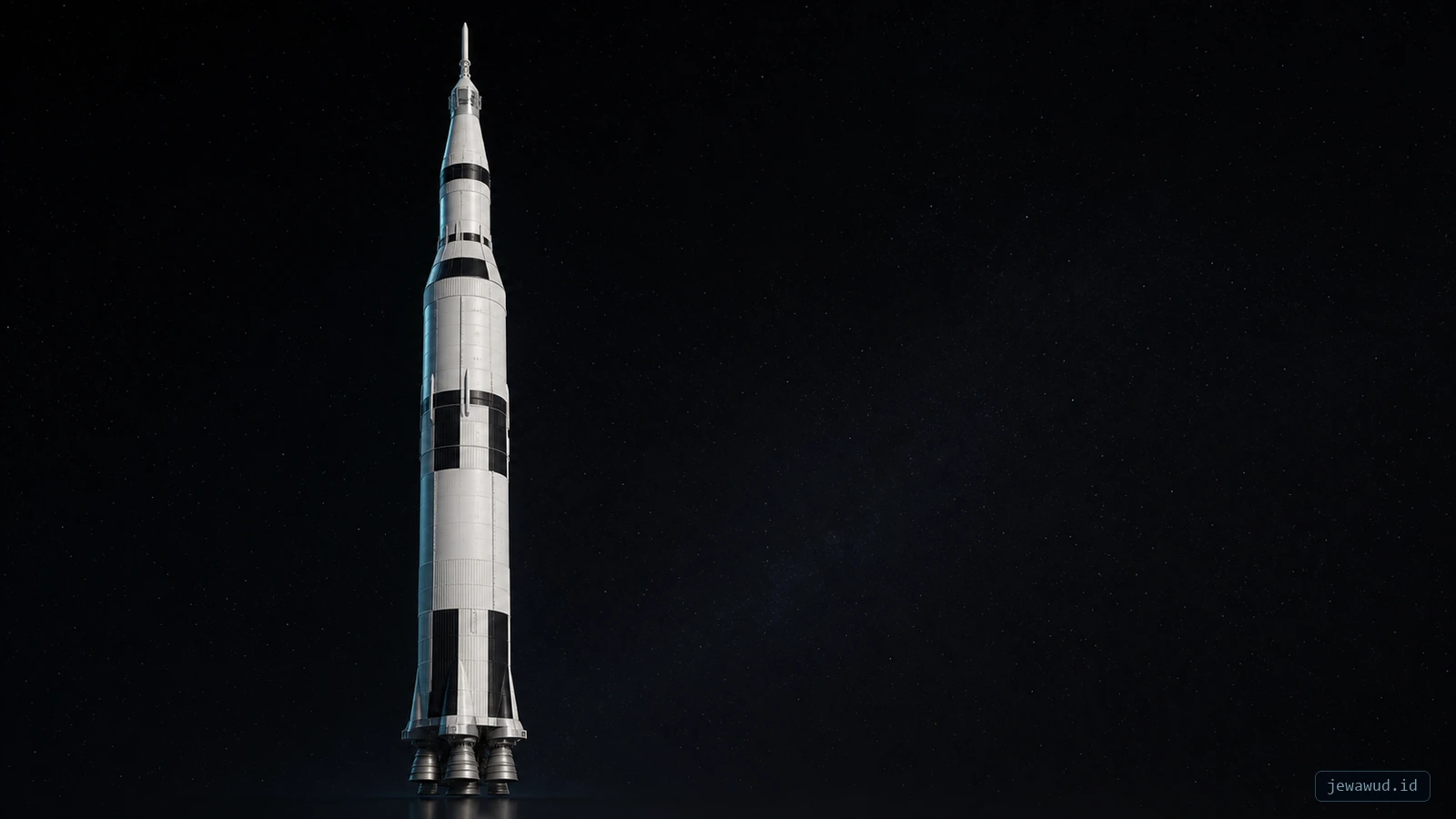 Historic Rockets
Saturn V Stages
How a three-stage moon rocket divided liftoff, orbit insertion, and translunar injection.
Saturn V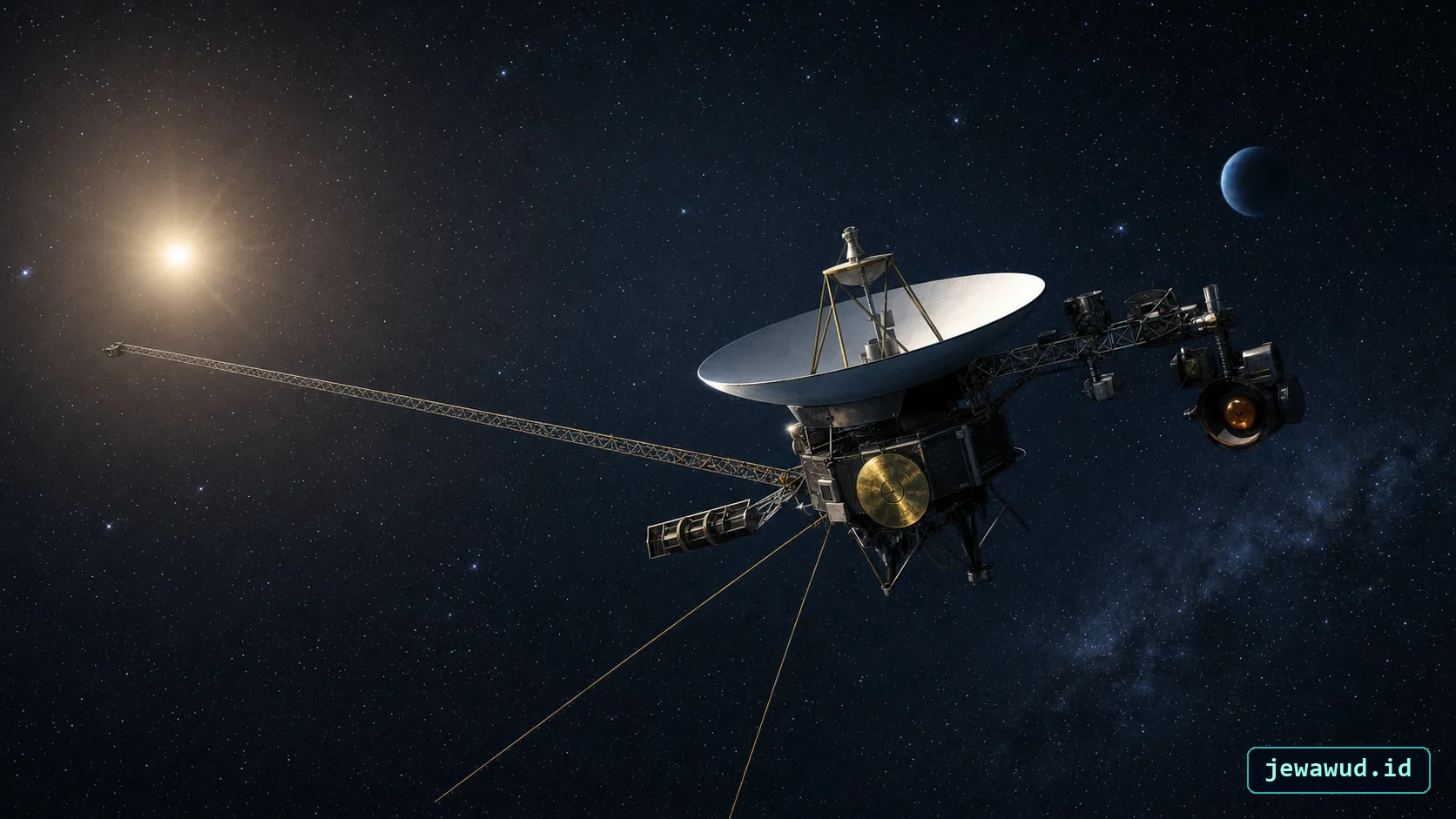 Deep Space
Voyager Mission Overview
Compare the two Voyager routes, explore the hardware, and trace the evidence for interstellar flight.
Voyager Orbital Mechanics
Hohmann Transfer: Two Burns, One New Orbit
Recalculate a 400 to 10,000 km transfer and compare the two burns and coast time with the planner.
Planner Satellite Basics
Why Satellites Fly at Different Heights
Calculate speed and period at three heights, and learn why one altitude cannot describe an entire orbit.
JOT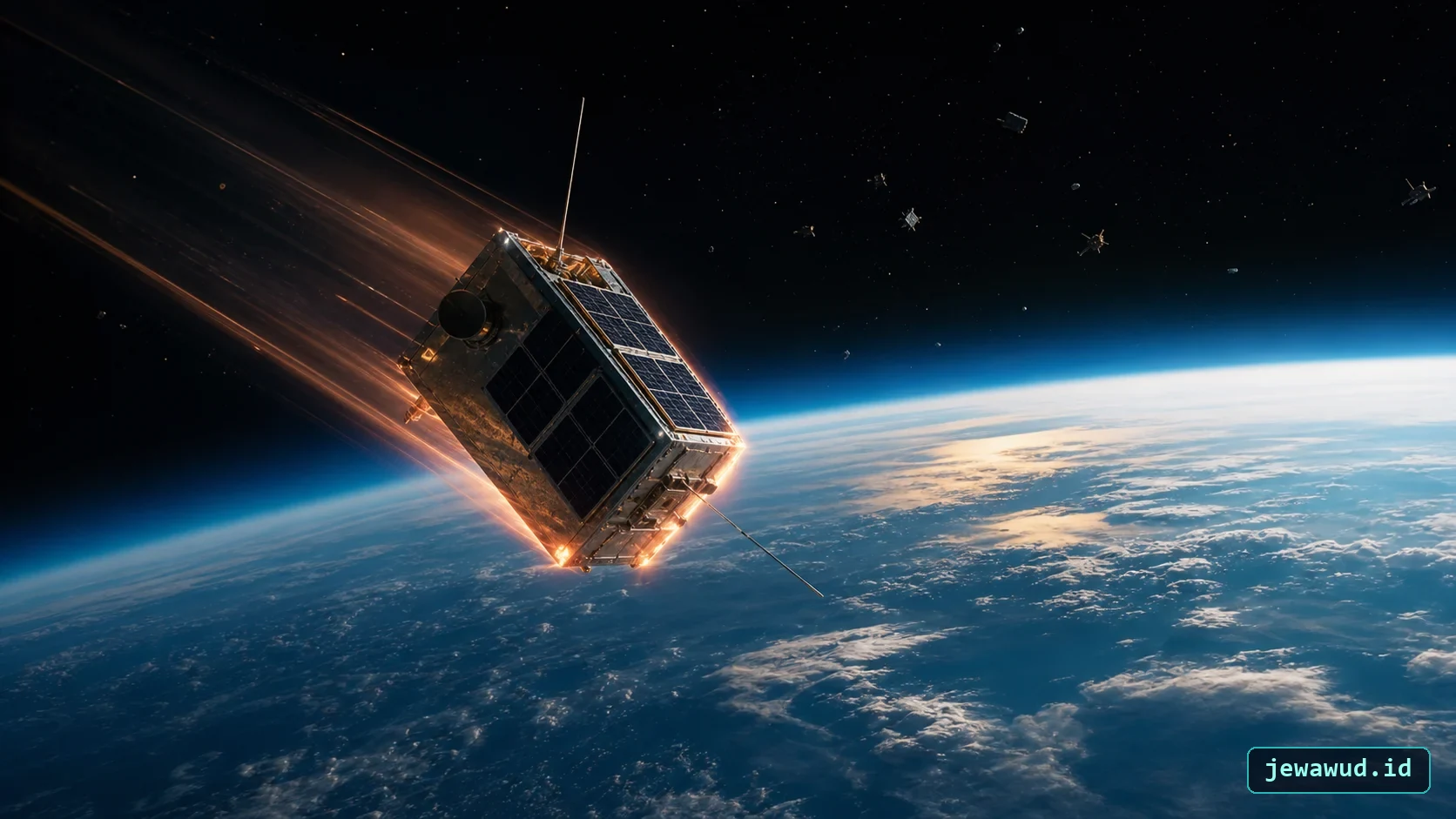 Orbital Environment
Satellite Decay: Why Orbits Shrink
Separate ordinary altitude changes from orbital decay, and learn from the assisted reentry of Aeolus.
Tracking Satellite Orbits
Geostationary Orbit: Why Satellites Seem to Stand Still
Derive the GEO altitude, distinguish a fixed point from a figure eight, and count the signal-delay legs.
GEO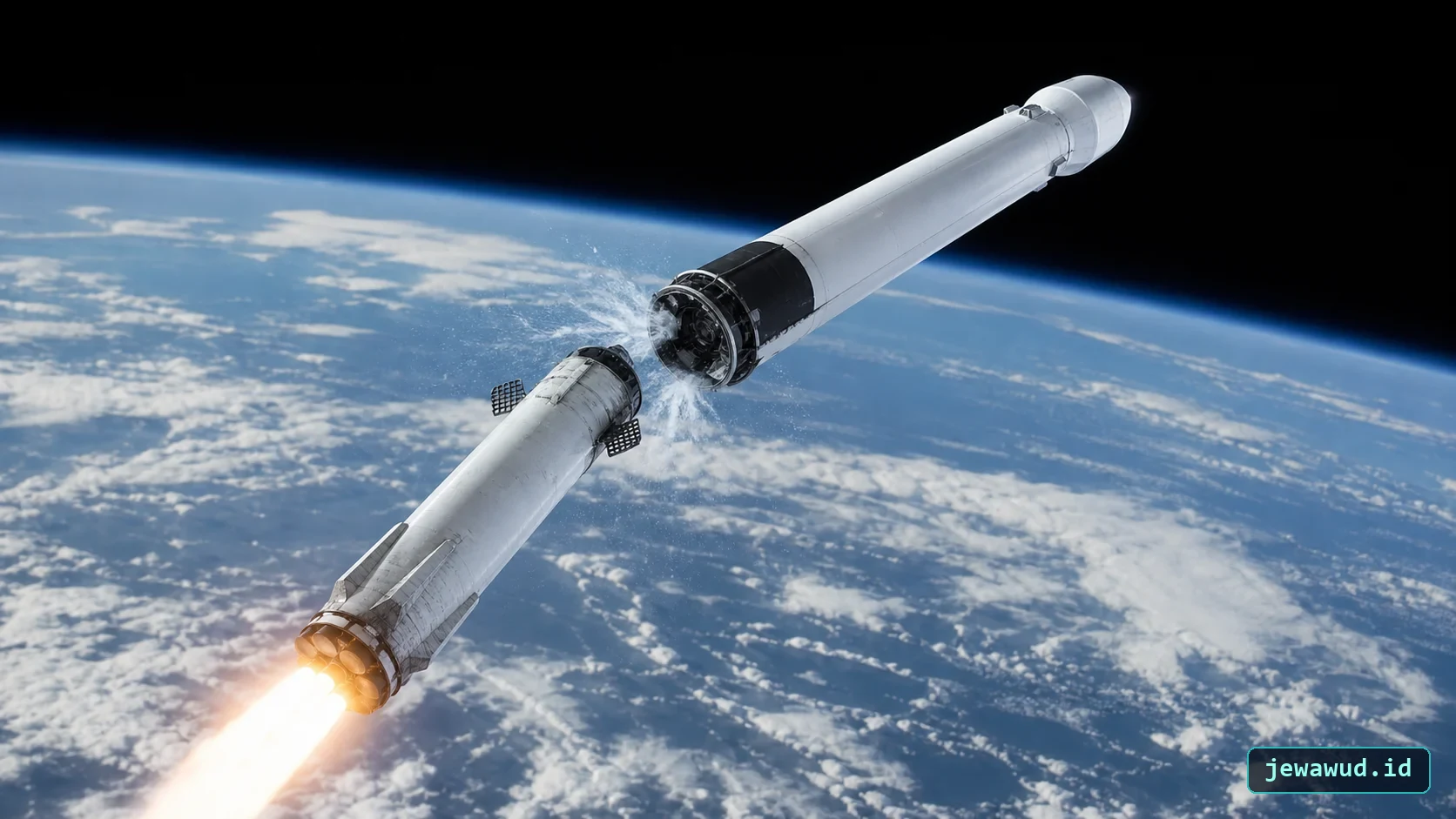 Launch Systems
Rocket Staging: Why Rockets Shed Their Stages
Follow a 10-tonne example to calculate how discarding an empty stage changes the next burn.
Rockets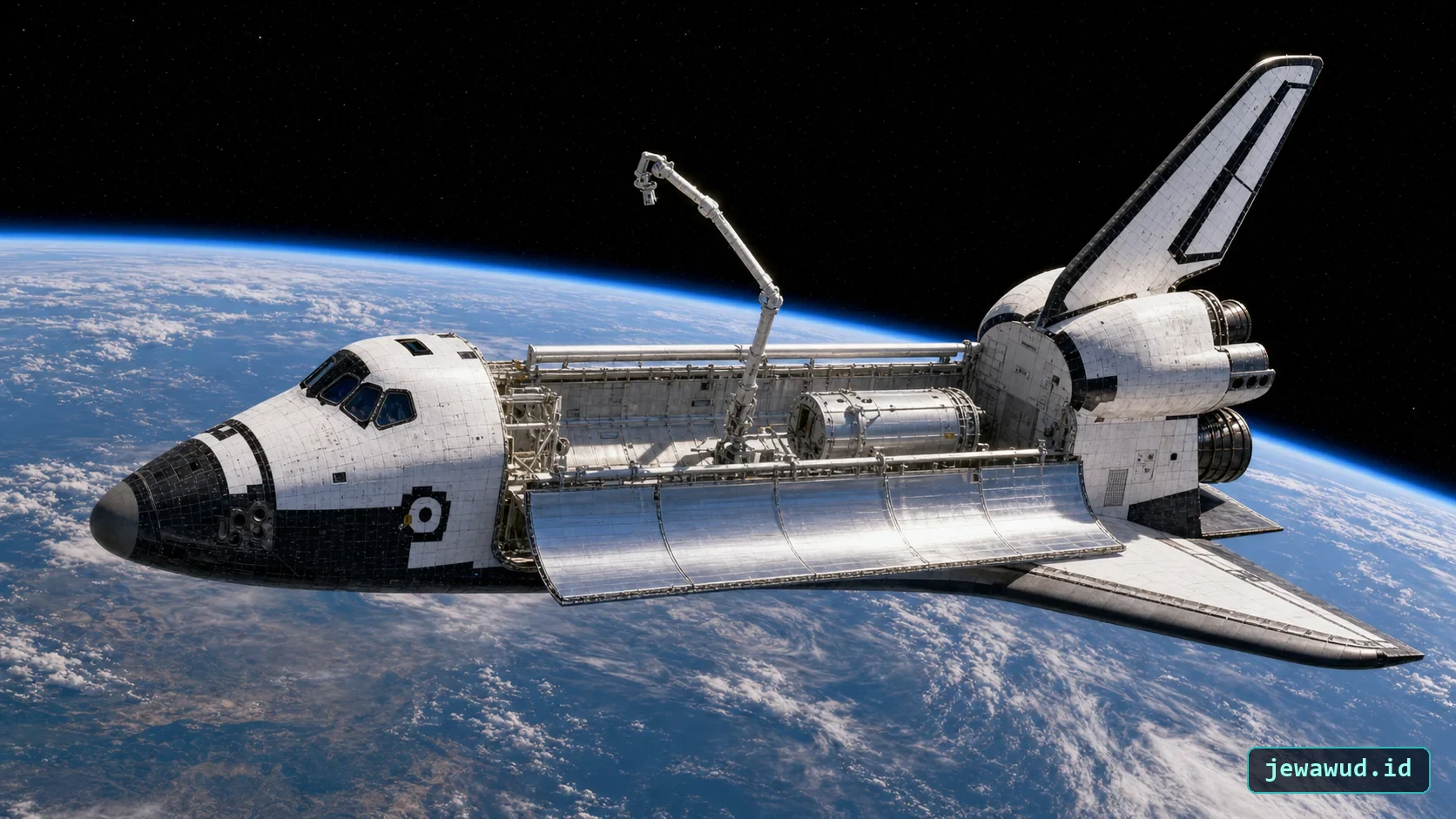 Spacecraft Anatomy
Space Shuttle Orbiter Anatomy
The orbiter's payload bay, OMS pods, RCS thrusters, elevons, gear, and thermal protection.
Shuttle Orbit Propagation
What Is SGP4?
How TLE data becomes a live satellite position, orbit path, and tracker telemetry.
JOT